What Are Hives?
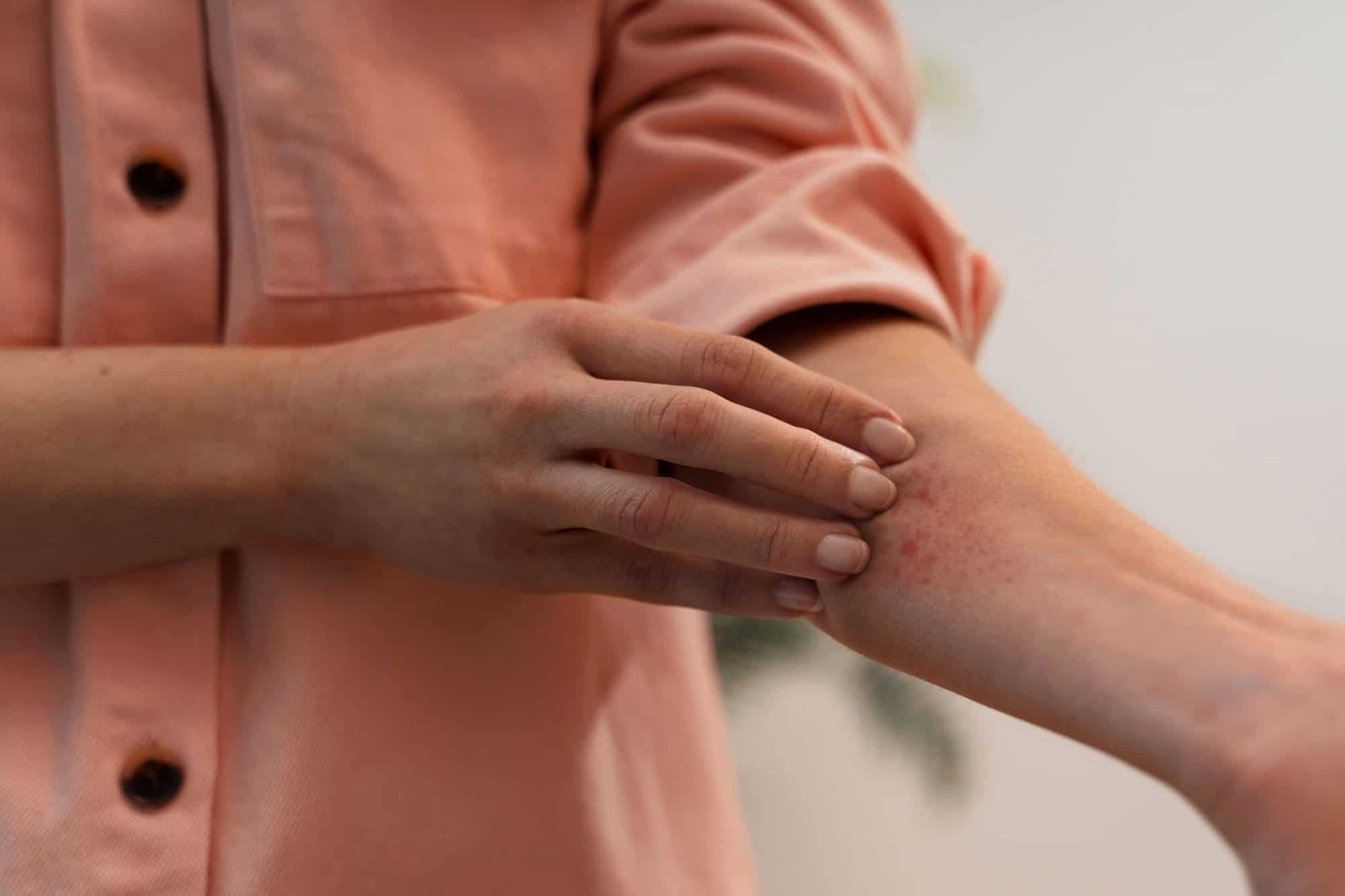
Hives (medical name: urticaria) are raised, itchy red bumps or welts that appear suddenly on the skin. They often look like mosquito bites and canturn pale (white) in the center when you press them.
Common Types of Hives
Understanding the type of hives you have can help narrow down the cause and treatment.
| Type of Hives | Key Characteristics | Common Causes |
| Acute Hives | Appear suddenly, resolve quickly (typically within a few days). | Allergic reactions, viral infection. |
| Chronic Hives | Last for more than six weeks (may come and go). | Often unknown cause, linked to immune system issues. |
| Physical Hives | Triggered by direct exposure to external stimuli. | Cold, heat, sunlight, pressure (tight clothing), scratching. |
Common Triggers
- Foods: Nuts, eggs, shellfish, and milk are common culprits.
- Medications: Antibiotics (like penicillin) or pain relievers (like ibuprofen).
- Infections: Surprisingly, common colds and viruses are a leading cause of hives.
- Stress: High emotional stress can trigger a flare-up in some people.
Warnings for Children
- It’s Not Always an Allergy: In children, hives are frequently caused by a virus (like a cold), not necessarily something they ate.
- The “Floppy” Sign: In babies, severe reactions might not look like gasping for air; they might become suddenly pale, limp, or unusually drowsy.
- Avoid Heat: Hot baths can make the itching worse. Stick to lukewarm water and loose cotton clothing to help them settle.
Seek medical help immediately if:
- Anaphylaxis Signs: You have trouble breathing, wheezing, or throat tightness.
- Swelling: Your lips, tongue, or eyelids become puffy and swollen.
- Dizziness: You feel lightheaded, faint, or have a racing heartbeat.
- Duration: The hives last longer than 6 weeks or seem to be spreading rapidly after a bug bite or medication.