
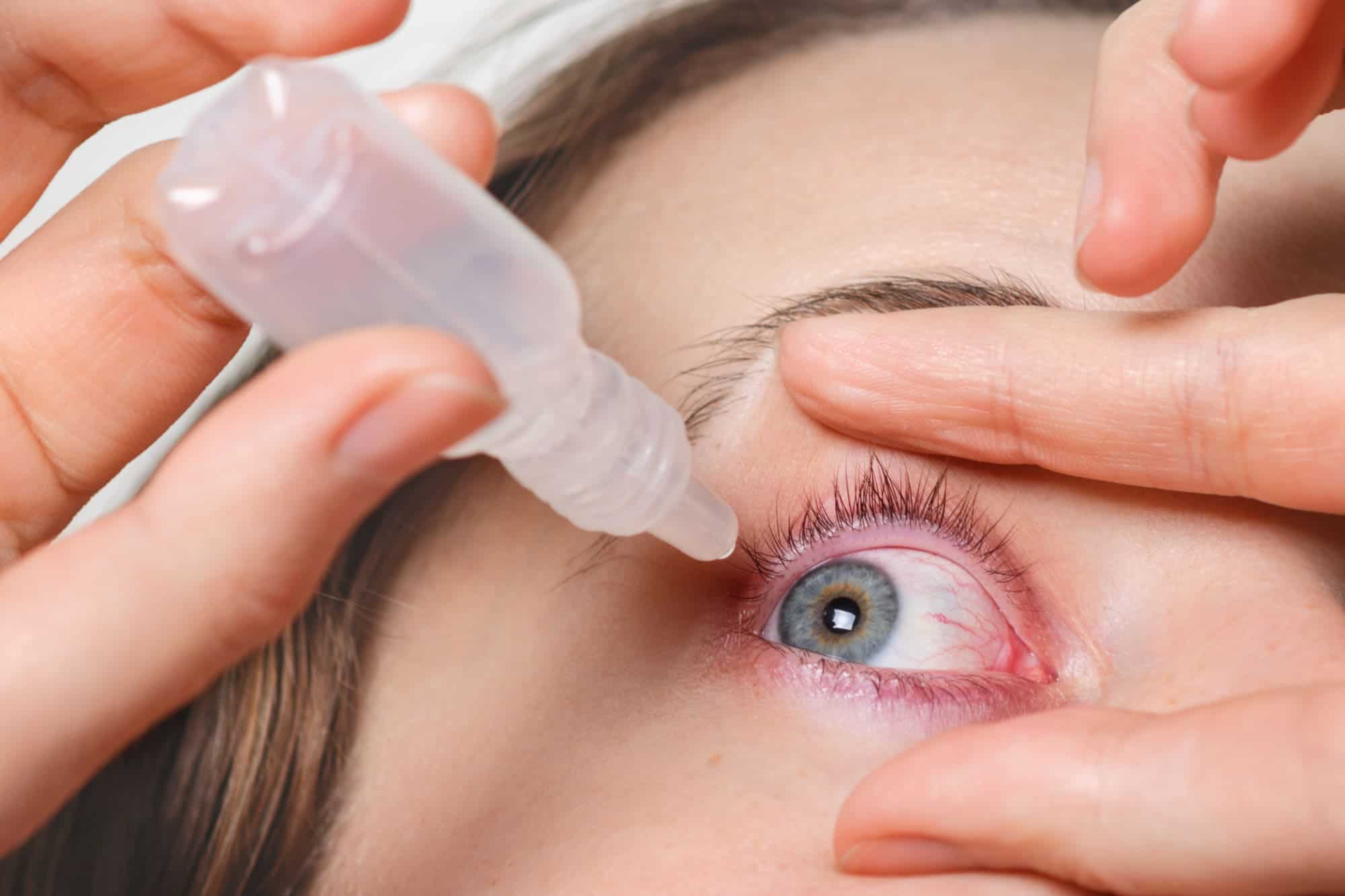
Pink eye (conjunctivitis) is inflammation in your eyes. It happens when the membrane that covers the white of your eye is irritated. Viral and bacterial infections are the most common causes. You may not need treatment. But visit a healthcare provider if you have symptoms that are getting worse after a few days.
The 3 most common causes of this inflammation are:
- infection (infective conjunctivitis)
- an allergic reaction (allergic conjunctivitis)
- something irritating the conjunctiva, like a loose eyelash (irritant conjunctivitis)
Pink eye that is caused by bacteria or virus is highly contagious. It can spread from person to person both by direct contact with an infected eye and by touching surfaces contaminated with someone’s pink eye germs. For bacterial conjunctivitis antibiotic treatment is mandatory.
Viruses can live a long time on objects like doorknobs and towels. If you touch your eye and face, and then touch one of these objects, you could spread pink eye to others in your household. Sharing washcloths with, or borrowing eye makeup from, someone with pink eyes can also spread infection.
Allergic pink eye is the exception to this rule. One person’s allergies to pollen or dust can not be transmitted to another person.
Do
- boil water and let it cool down before you gently wipe your eyelashes to clean off crusts with a clean cotton wool pad (1 piece for each eye)
- hold a cold towel over your eyes for a few minutes
- wash your hands regularly – this is particularly important after touching your eyes
- use lubricant eye drops – these are available at pharmacies or they may be prescribed for you
Don’t
- do not rub your eyes
- do not wear contact lenses until the symptoms have cleared up
- don’t re-use old lenses after the infection has gone – they could cause re-infection
- do not not share pillows or towels